 Dussehra Diwali Mela on October 13 at Norwalk, California..2012 Dussehra Diwali Mela on October 13 at Norwalk, California..2012
 ICSLosAngeles Celebrate Deepawali Utsav 2011 ICSLosAngeles Celebrate Deepawali Utsav 2011
 California’s largest NRI Senior Association Celebrate- California’s largest NRI Senior Association Celebrate-
Annual Diwali Musical Extravaganza
 US Senate greets Indian diaspora on Diwali US Senate greets Indian diaspora on Diwali
 Oct. 2011: Shri Lakshmi Narayan mandir Hindu Society of Inland Empire Riversid Celebrates Diwali...Read Oct. 2011: Shri Lakshmi Narayan mandir Hindu Society of Inland Empire Riversid Celebrates Diwali...Read
Oct 25, 2010: Malaysia's early poll talks overshadow Diwali celebrations....Read
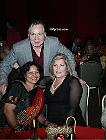 Hamilton
Brewart Insurance Celebrates Diwali at Beverly Hills, California
......Read Hamilton
Brewart Insurance Celebrates Diwali at Beverly Hills, California
......Read
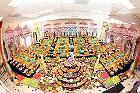 Diwali
Celebrated at BAPS Shri Swaminarayan Mandir, Chino Hills,
California .....Read. Diwali
Celebrated at BAPS Shri Swaminarayan Mandir, Chino Hills,
California .....Read.
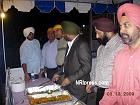 Bandi
Chhod Diwas/Diwali Celebrated at Gurudwara
Walnut. On Saturday, October 17th 2009 Gurudwara
Sahib Walnut celebrated.....Read. Bandi
Chhod Diwas/Diwali Celebrated at Gurudwara
Walnut. On Saturday, October 17th 2009 Gurudwara
Sahib Walnut celebrated.....Read.
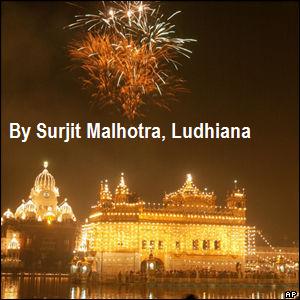 Golden
Temple glitters in Diwali celebration. Amritsar,
Oct 18: Zillions of lights, tens of thousands of devout
and a scintillating fireworks display were part of the Diwali
celebrations at the holiest of Sikh shrines Harmandar Sahib
(popularly called Golden Temple)......Read Golden
Temple glitters in Diwali celebration. Amritsar,
Oct 18: Zillions of lights, tens of thousands of devout
and a scintillating fireworks display were part of the Diwali
celebrations at the holiest of Sikh shrines Harmandar Sahib
(popularly called Golden Temple)......Read
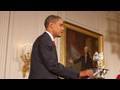 See
VideoObama,
became the first US president
who
lit a lamp to celebrate the Diwali. See
VideoObama,
became the first US president
who
lit a lamp to celebrate the Diwali.
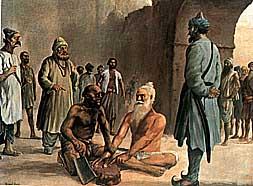 The
sixth Sikh Guru Hargobind & along with 52 Hindu kings
were released: Special
Day for the Sikhs: The third Sikh Guru Amar Das
institutionalized Diwali as a Red-Letter Day when all Sikhs
would gather to receive the Gurus blessings. In 1577, the
foundation stone of the Golden Temple at Amritsar was laid
on Diwali. In 1619, the sixth Sikh Guru Hargobind, who was
held by the Mughal Emperor Jahengir, was released from the
Gwalior fort along with 52 Hindu kings. .....Read The
sixth Sikh Guru Hargobind & along with 52 Hindu kings
were released: Special
Day for the Sikhs: The third Sikh Guru Amar Das
institutionalized Diwali as a Red-Letter Day when all Sikhs
would gather to receive the Gurus blessings. In 1577, the
foundation stone of the Golden Temple at Amritsar was laid
on Diwali. In 1619, the sixth Sikh Guru Hargobind, who was
held by the Mughal Emperor Jahengir, was released from the
Gwalior fort along with 52 Hindu kings. .....Read
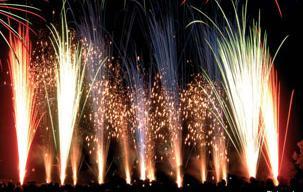 Bandhi
Chod Diwas celebration at Walnut, California Bandhi
Chod Diwas celebration at Walnut, California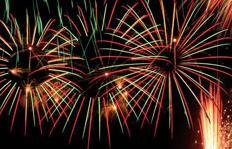 As the same Diwali customs in India, NRIs celebrated Dewali
in North America, Europe, Asia and South America. Along
with this, Diwali was also celebrated at the White House
and Canada Parliment house.
As the same Diwali customs in India, NRIs celebrated Dewali
in North America, Europe, Asia and South America. Along
with this, Diwali was also celebrated at the White House
and Canada Parliment house.
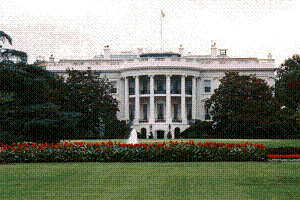 NRIs
celebrated Diwali at the White House On Nov.
07, the Fifth Annual White House Diwali Celebration took
place in the Indian Treaty Room of the White House in the
presence of R. Nicholas Burns, Under Secretary for Political
Affairs and Treasury Secretary Henry Paulson. Arathi Krishna
of the Indian embassy said...... NRIs
celebrated Diwali at the White House On Nov.
07, the Fifth Annual White House Diwali Celebration took
place in the Indian Treaty Room of the White House in the
presence of R. Nicholas Burns, Under Secretary for Political
Affairs and Treasury Secretary Henry Paulson. Arathi Krishna
of the Indian embassy said......
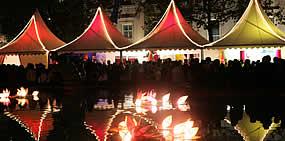 Diwali
on the Square in London, 30,000 people attended-On
Sunday 28 October 2007, Trafalgar Square hosted celebrations
to mark Diwali, the Festival of Light,organised by the Mayor
of London and the Diwali in London .......s. Diwali
on the Square in London, 30,000 people attended-On
Sunday 28 October 2007, Trafalgar Square hosted celebrations
to mark Diwali, the Festival of Light,organised by the Mayor
of London and the Diwali in London .......s.
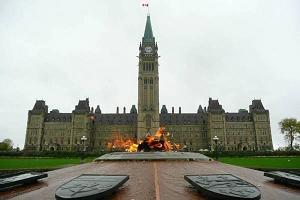 Canada
Prime Minister Celebrates Diwali on Parliament Hill with
NRIs \ Canada
Prime Minister Celebrates Diwali on Parliament Hill with
NRIs \
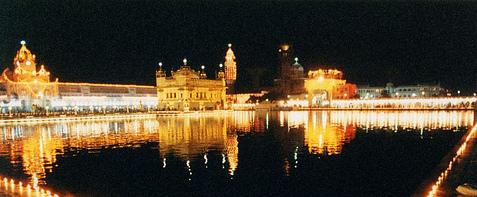 Sikh
Festival Diwali- The sixth Guru Hargobind
Ji and the 52 Hindu kings were freed at this Day Sikh
Festival Diwali- The sixth Guru Hargobind
Ji and the 52 Hindu kings were freed at this Day
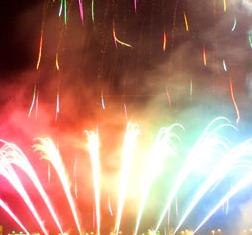 Walnut
Gurudwara celebrated Diwali and Bandi Chhor diwas -
FIREWORKS & 15 different stalls very nicely
decorated Walnut
Gurudwara celebrated Diwali and Bandi Chhor diwas -
FIREWORKS & 15 different stalls very nicely
decorated
Thailand: Lamps and candles are placed
on banana leaves along with a coin and incense stick and
are set afloat on a river. This gives a wonderful view when
thousands of candles are set afloat on the river in the
evening.Diwali celebration in Thailand is insanely huge
and is called Lam Kriyongh. The celebration is almost the
same as the Diwali customs in India. People greet each other
and wish them happy returns of the day. Distribution of
sweets is a common practice on this day.
Nepal: Diwali is known as "Tihar" or
"Swanti". It is celebrated for five days and the
traditions vary from those followed in India. The
whole of Nepal is decorated with lights and lamps. Special
foods like sweets of different forms are prepared to mark
the festivity. Fireworks and crackers are used widely all
around
Mauritius: Mauritius accounts a 63% of
NRI population and celebrated Diwaliwith great enthusiasm.Diwali
celebration is an age-old tradition. It holds special significance
for the natives, who believe that Diwali has been celebrated
even long before the return of Lord Rama from 14 years of
exile and his coronation as the king. The festival is marked
by lightening of earthen lamps in rows making images out
of the rows. Lakshmi is worshipped as the goddess of wealth
and crackers are burnt to scare away evil spirits.
Singapore: ,the festival is called "Deepavali",
and is a public holiday. It is typically marked by a light-up
in the Little India district. The Hindu Endowment Board
of Singapore along with Singapores' government organizes
many cultural events around Deepavali time.
Indonesia: NRIs constituent about 2%
of Indonesia's total population and the majority of population
follows Islam.The celebration and rituals of the festival
is mostly similar to that celebrated by their counterparts
in India.
Australia: More than 100000 NRIs celebrated
the festival of Diwali
Malaysia: NRI community of Malaysia constitutes
about 10% of its total population. Diwali is known as "Hari
Deepavali AND NRI community celebrates Diwali festival as
a symbol of triumph of good over evil. The Malaysian people
call Diwali as Hari Diwali.
Oct. 20, 2006:
DIWALI
CELEBRATIONS IN THE U.S. by NRIs
Oct.19, 2006: The White
House celebrated Diwali with more than 150 guests
2005:
NRI Diwali
celebrations in Leicester- crowd over 100,000

|

 "Why
diwali is celebrated, History behind the celebration of deepawali?"
"Why
diwali is celebrated, History behind the celebration of deepawali?"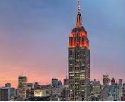
 New York's World Trade Center Shines Bright in Diwali Celebration..US Congress Introduces 'Deepavali Day Act' Making Diwali A Federal Holiday ......