Living “Healthy”
with Diabetes
Diabetes is a chronic condition characterized by high levels
of blood glucose levels resulting from defects in insulin
production, insulin action or both. Over 6.5% (about 17
million) of people in the United States are known to have
Diabetes and over 1/3 of those do not know they have it.
Diabetes can cause serious health complications including
heart disease, kidney failure, stroke, foot & leg ulcers
and even blindness. Diabetes is the direct or indirect cause
of at least 200,000 deaths each year. In order to determine
whether or not someone has diabetes, the American Diabetes
Association recommends Fasting Plasma Glucose (FPG) testing.
A FPG level below 100 mg/dl is normal, between 100 and 125
mg/dl is referred to as impaired glucose tolerance and signals
pre-diabetes and FPG of 126 mg/dl or more is diabetes.
A person may have type2 diabetes without knowing it. Often
diabetes goes undiagnosed for many years because its symptoms
seem so harmless. People who are high risk must check with
a physician for diagnosis. They might have some or none
of the following symptoms: increased thirst, urination or
tiredness, slow healing wounds, and pain/tingling in limbs.
The incidence of diabetes is increasing rapidly. The increase
is due to many factors, most significant are the increasing
incidence of obesity and sedentary lifestyles. Risk factors
for type2 diabetes include older age (over 45 years), obesity,
family history of diabetes, prior history of gestational
diabetes in women, impaired glucose tolerance and race.
In one Harvard study, obesity was the single most important
factor in predicting who will develop diabetes.
Certain risk factors like age, family history and ethnicity
cannot be altered, but research studies have found that
a change in lifestyle that includes a healthier diet and
increased physical activity can prevent or delay the onset
of type2 diabetes.
Eat a well-balanced diet that is high in fiber, low in
saturated fat and low in concentrated sweets. A consistent
diet that includes roughly the same number of calories at
about the same times of the day helps for better control
of diabetes with medication or insulin. Some suggestions
include eating a wide variety of foods, choose foods high
in fiber, eat multiple meals – portion control is
key. Do not skip meals and eat at a regular time each day.
Increase your physical activity, aim for at least 30 minutes,
4 to 5 times a week. During exercise, drink plenty of fluids
and stay hydrated. Avoid exercise if your blood sugar is
less than 80 or more than 250 and always keep sugar pills
handy.
People with diabetes can play an important role in medical
care, and self glucose monitoring is an opportunity to take
control of their own health. Self-care is the key, as daily
care can prevent most complications. Diabetes daily care
includes: blood sugar monitoring, meal planning, exercise,
and taking your medication regularly. Also, take care of
your feet and wash with warm water and mild soap everyday,
do not soak. Check closely for scratches, cracks and redness
or dry skin. Never do “home surgery” on your
feet, ask for help from a physician if you have any concerns.
No matter what kind of diabetes you have, it affects many
parts of your body and life. Both forms of diabetes ultimately
can lead to many complications. To prevent these complications,
the goal should be to learn the ABC’s of diabetes.
The “A” stands for the A1C or hemoglobin A1C
test, which measures average blood glucose over the previous
3 months. “B” is for blood pressure, and “C”
is for cholesterol. People with diabetes should attain as
near as normal blood sugar, blood pressure and cholesterol
levels. Also, you should follow up with a physician regularly
for health maintenance check-ups. All patients with diabetes
should be treated aggressively with risk factor modifications.
Diabetes and obesity are two major health issues that are
on a rapid rise today. Set some goals for yourself, make
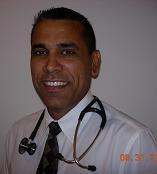
some lifestyle changes, and take control. Paul Jande M.D.
and the staff of North Macomb Internal Medicine, P.C. wish
you and your family happy holidays! Eat healthy, stay fit
and enjoy the season! We are located at 67200 Van Dyke,
Suite 203, in Washington Twp. Convenient evening and weekend
appointments are available. Give us a call at (586) 752-0070.